Tell me what you say “Yes” to, and I’ll tell you who you are.
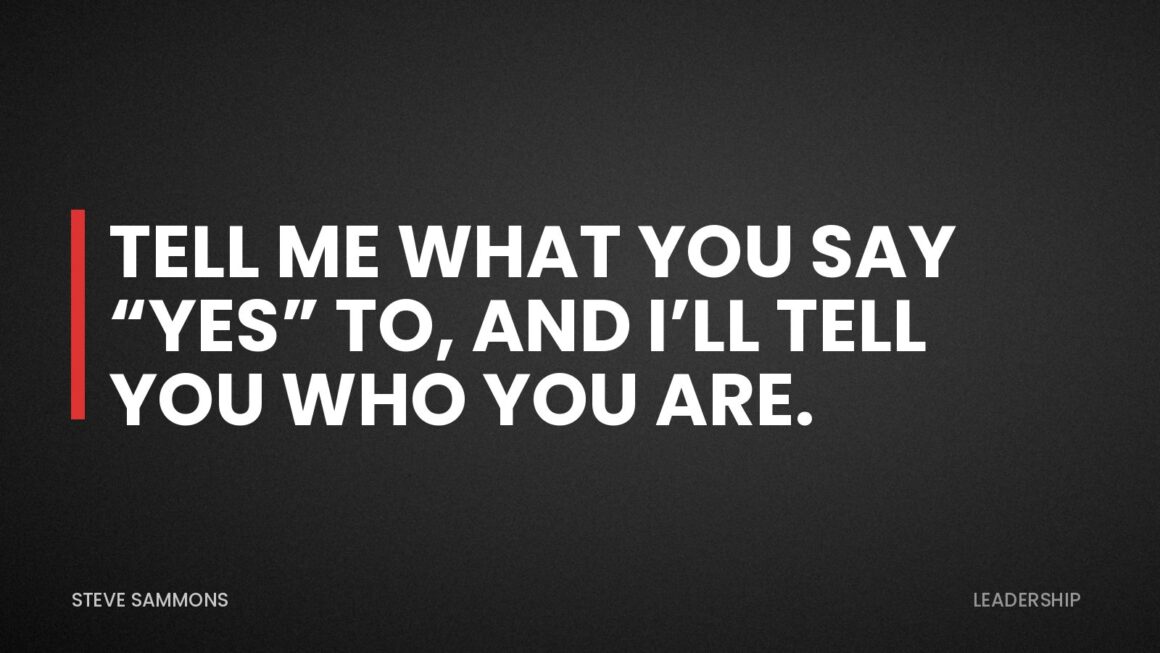
Your yeses shape who you become. Why successful people say no to almost everything, and how to choose your commitments on purpose.
Your yeses shape who you become. Why successful people say no to almost everything, and how to choose your commitments on purpose.
Do leaders think more sharply because they have power, or gain power because they think sharply? What the research says about power and focus.
Guest blogger Preston Sprinkle examines the pros and cons of the Nashville Statement, a prominent evangelical declaration on sexuality and gender. While affirming its commitment to historic Christian teaching on marriage, Sprinkle critiques the statement’s impersonal tone, outdated language, and lack of relational grace—arguing that such documents often fail to address the real, relational reasons LGBT+ people feel isolated or rejected by the church, and calling for a more compassionate, conversation-driven approach.
The story of Infiniti's “Long Time Dreaming” campaign for the G35 Coupe launch, created by Tor Myhren and Moe Verbrugge at TBWA/Chiat-Day.
A family movie night with The Princess Bride turns into a lesson about finding inspiration, faith and character in unexpected places.
The goal of the Facebook pixel is to help you get to know more about the people engaging with your content. You can use this valuable information to create products and content that better appeal to that audience.
Volunteering at a high school drumline competition shows that everything is an interview. How we act and help reveals who we really are.
When writing a dissertation, you are expected to 'break some new ground' and contribute to the evolving knowledge base of a discipline, while a term paper typically explores existing areas in depth without the expectation of original contribution.
Why Christians should be shaped more by their mission than by national, political or church identity, and think like a convictional minority.
This tool has 45 questions and identifies six different styles for managing differences: Persuading, Compelling, Avoiding/Accommodating, Collaborating, Negotiating, and Supporting—each can be an appropriate style, and none should be thought of as 'bad' or inferior.
Input your search keywords and press Enter.