BIG IDEA
What if our greatest contribution happens after we’re gone?
Most of us measure impact by what we accomplish while we’re in the room. But maybe we’ve been measuring the wrong thing.
BACKGROUND
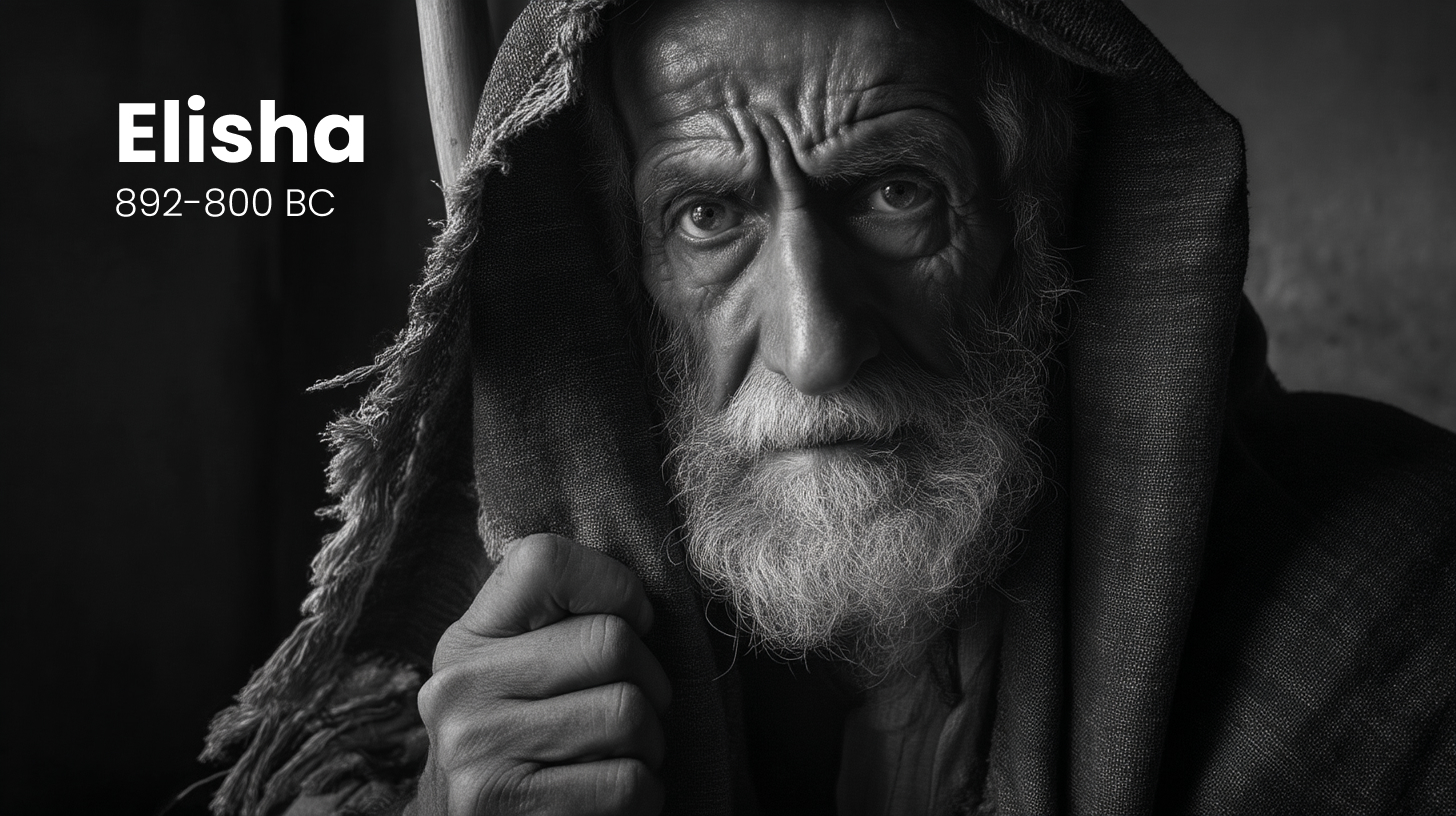
Elisha was a farmer who became a prophet in ancient Israel around 850 BC. He succeeded Elijah, one of the most famous leaders of his era. His story spans twenty-five chapters and sixty years of influence (2 Kings 2-13).
STORY
A dead body falls into a grave.
The corpse touches some old bones at the bottom. And then—the impossible—the dead man stands up, alive (2 Kings 13:21).
Those bones belonged to Elisha. He’d been dead for years.
Still delivering.
Here’s what we don’t talk about enough: Elisha asked for this.
When his mentor Elijah was about to leave, Elisha made a bold request. “Let me inherit a double portion of your spirit” (2 Kings 2:9).
Not equal. Double.
We often hesitate to ask for more than our predecessors had. It feels presumptuous. Disrespectful, even.
But Elisha understood something we forget.
Good mentors don’t want you to repeat their work. They want you to exceed it.
Elijah performed seven miracles. Elisha performed fourteen. Double.
He healed poisoned water. Fed a hundred men with twenty loaves. Cured a foreign general named Naaman when no one else in Israel was healed—a point Jesus himself would later emphasize (Luke 4:27).
But the bones. Those bones in the grave.
That’s the part that haunts me.
Because it suggests that what we build can keep working after we stop. That legacy isn’t about what people say at our funeral. It’s about what still happens because of how we lived.
The systems we create. The people we develop. The culture we shape.
Part 4 of 5 · ProfileMeet Elisha: the full profile →Character profileThese keep delivering when we can’t.
Most succession planning focuses on the wrong question. We ask, “Who will replace me?”
Maybe we should ask, “What am I building that doesn’t need me?”
Elisha poured himself into prophetic communities. He trained leaders. He invested in institutions that would outlast his influence.
Even centuries later, his life pointed forward. The resurrection power in those bones whispered of a greater resurrection to come—when another prophet would walk out of his own grave, this time permanently.
So here’s the question for today:
Are we building something that dies with us, or something that delivers after we’re gone?
Get it by email, free
One Bible character and one leadership lesson, every week.
2 comments
This is spot on! The ways we humans (often particularly very modern ways) attribute value and purpose to our lives or that of others are pitifully short-sighted. Pragmatism and immediate success are the motivating factors among such present-focused leaders. One could wonder why these would even be called vision-casters . . . But the reality is that unrecognized actions, small seeds, and “little people” could demonstratively have had more influence in the outcomes throughout history than the flamboyant star.
Thank you.
Completely agree. The silent power of influence is actually stronger than the power itself.