BIG IDEA
The best leaders don’t start by seeing their potential. They start by seeing their problem.
We think confidence launches us forward. But maybe it’s the opposite.
BACKGROUND
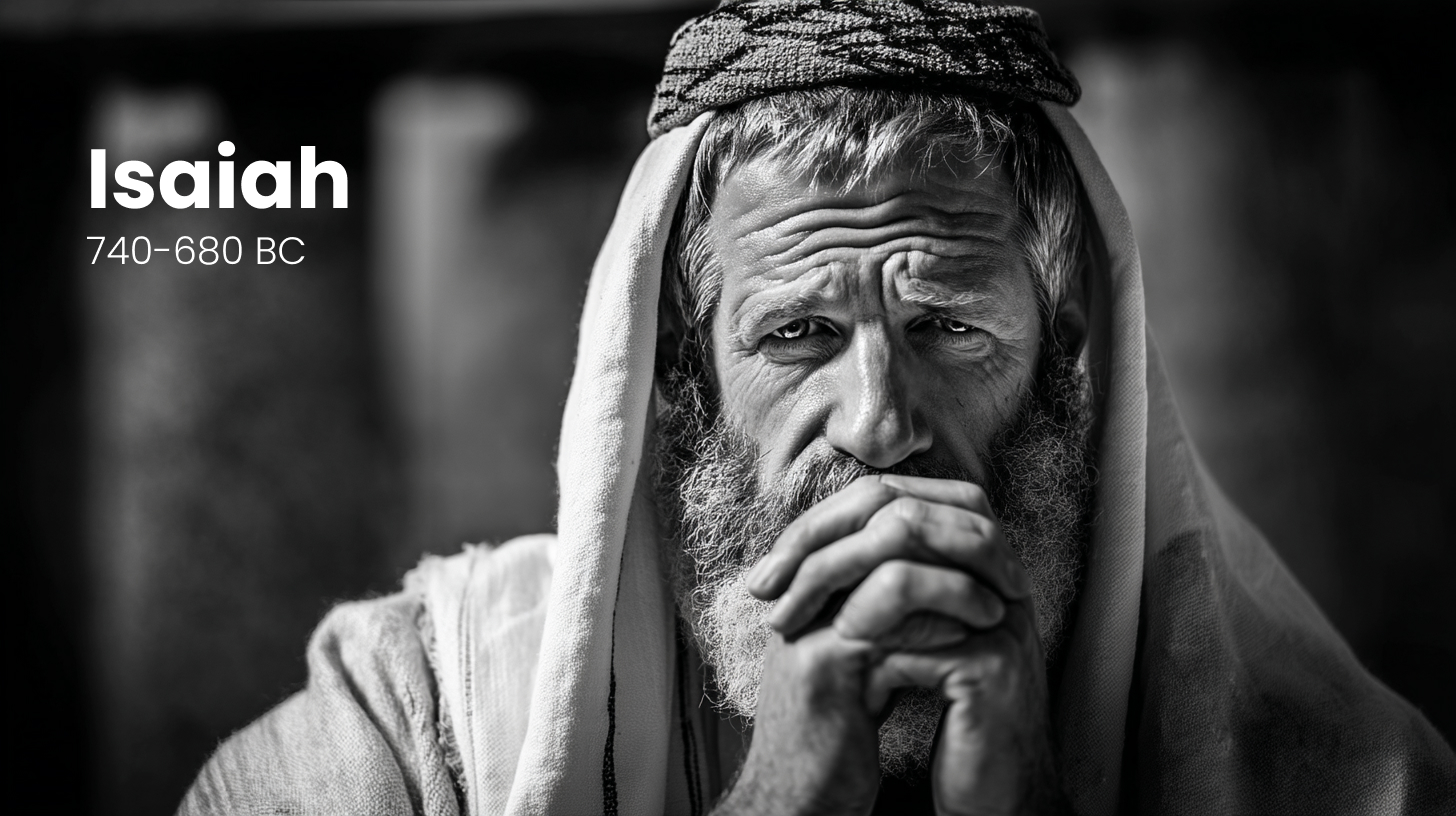
Isaiah was an advisor to kings. He moved in royal circles for decades. He spoke truth to power when it cost him everything. His writings shaped Western civilization.
But his career didn’t start with ambition. It started with terror.
STORY
He was in the temple when the room started shaking.
Smoke. Creatures with six wings. A voice that rattled the doorposts.
And Isaiah’s first response wasn’t excitement. Wasn’t ambition. Wasn’t “pick me.”
It was this: “Woe is me! I am ruined!” (Isaiah 6:5).
Here’s what’s strange.
Isaiah wasn’t a criminal. He was already respected. Already doing good work.
But in that moment, he saw the gap.
The gap between who he thought he was and what the job actually required.
We skip this part.
We build confidence exercises. We rehearse our strengths. We highlight our wins.
Isaiah did something different.
He called himself “a man of unclean lips” living among “a people of unclean lips” (Isaiah 6:5). His problem wasn’t just personal. It was shared. He was part of the system he needed to address.
This is where it gets interesting.
Only after the admission came the commission.
A burning coal. Touched to his lips. “Your guilt is taken away” (Isaiah 6:7).
Part 4 of 5 · ProfileMeet Isaiah: the full profile →Character profileThen—and only then—came the question: “Whom shall I send?” (Isaiah 6:8).
Isaiah spent the next sixty years delivering messages most people didn’t want to hear. He wrote about a coming servant who would be “pierced for our transgressions” (Isaiah 53:5)—words that echo through history.
John later wrote that Isaiah “saw Jesus’ glory and spoke about him” (John 12:41).
But it all started with a man on the floor. Undone. Exposed.
Maybe the disqualification we fear is actually the qualification we need.
Seeing our own uncleanness isn’t weakness. It’s the first honest moment.
And honest is where real leadership begins.
Get it by email, free
One Bible character and one leadership lesson, every week.