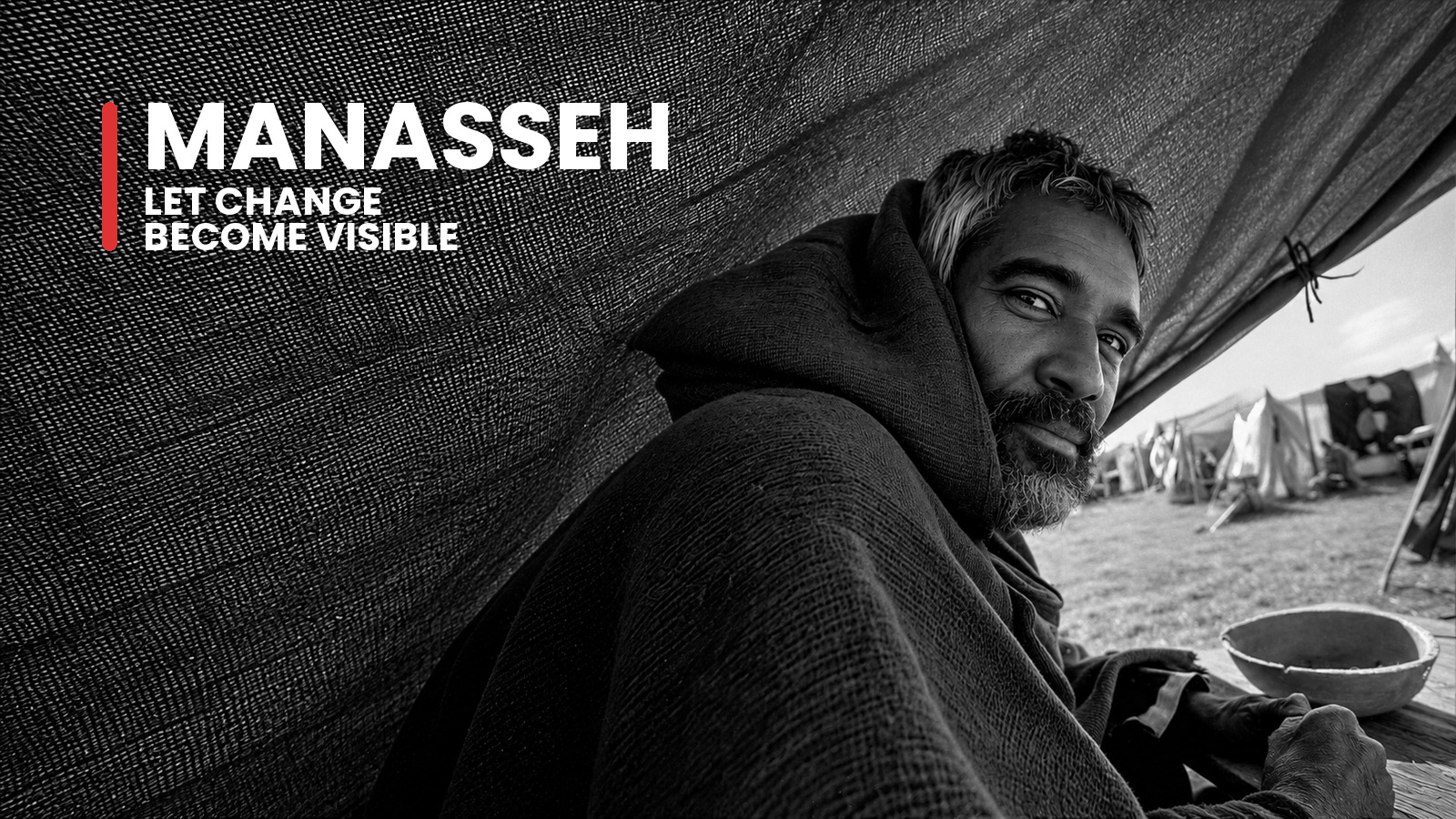

When I hurt someone, saying I am sorry is a beginning. The person I hurt also has to live with what I do next. If I keep making the same choice, my words ask them to carry the cost of a change I have not made.
That is why Manasseh’s story matters.
Manasseh (man-ASS-eh) was a king of Judah, the small kingdom centered on Jerusalem. He ruled in the seventh century BC, more than 2,600 years ago. The city remains in the same hills today.
Part 2 of 5 · Gospel QuartetHear it sung: After the Sorry ▶Gospel quartet song · plays hereHis story includes terrible harm. He brought the worship of other gods into God’s temple. He sacrificed his children and caused the deaths of innocent people. These were acts with victims, not just errors in judgment (2 Chronicles 33:3–6; 2 Kings 21:16).
The book of Chronicles says God warned Manasseh and his people, but they did not listen. An invading army captured him and took him to Babylon. That ancient city’s ruins are in modern Iraq, about 53 miles south of Baghdad.
Part 5 of 5 · MapSee where this happened: Babylon in Manasseh’s Story →Map of the places in the storyIn captivity, Manasseh asked God for help. The account says he “humbled himself greatly” (2 Chronicles 33:12, NIV). God heard his prayer and brought him back to Jerusalem.
His repentance became visible in action. He removed the idols and the altars he had built for other gods. He restored the Lord’s altar and called the people to worship God (2 Chronicles 33:15–16).
That change matters. So do the lives he had already harmed. His return could not make those deaths unhappen. The book of Kings keeps his violence in the record. I do not want to rush past those people to reach a comfortable ending.
Manasseh’s story gives me a reason to stop defending a wrong choice. I can admit what I did without first finding someone whose actions were worse. I can ask God for mercy and still accept responsibility for repair.
For me, repair might mean correcting a false statement in front of the people who heard it. It might mean returning money, changing a decision, or asking what would help without demanding an immediate answer. That response should fit the harm.
The person I hurt may need time or distance. My apology does not give me the right to set their timetable for trust.
I cannot rewrite what happened. I can stop adding to it. That is where I want an apology to become visible: in a different choice, made again when no one is applauding.
Get it by email, free
One Bible character and one leadership lesson, every week.