BIG IDEA
The people who ask hard questions aren’t the problem. They’re the solution.
Doubt isn’t the opposite of belief. It’s the pathway to something deeper.
BACKGROUND
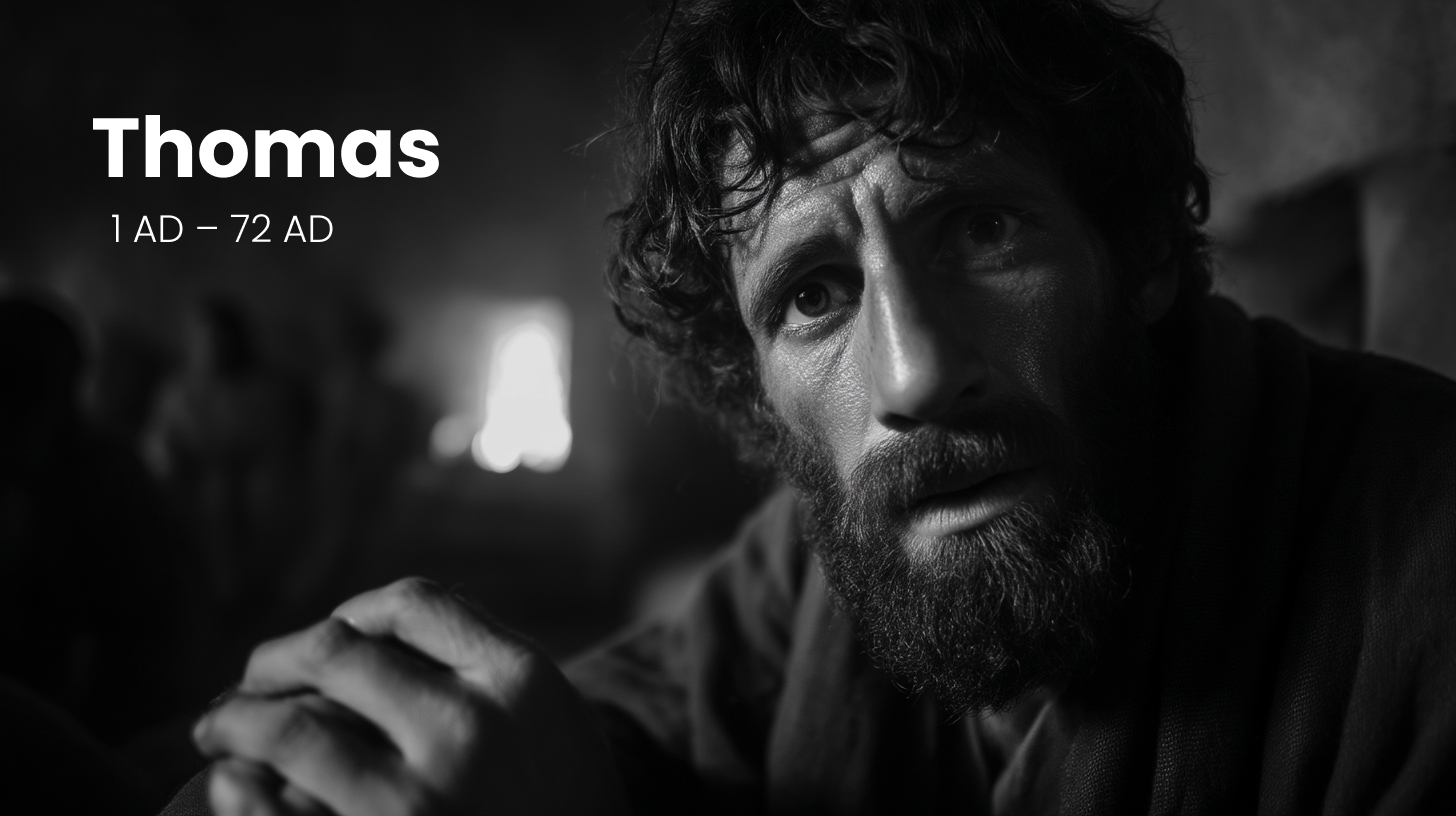
Thomas was one of Jesus’ twelve closest followers. History nicknamed him “Doubting Thomas.” But that label misses the point entirely. He was the one brave enough to say what everyone else was thinking.
STORY
Here’s what nobody tells you about Thomas.
He wasn’t a coward.
When Jesus decided to walk straight into danger, Thomas spoke up. “Let us also go, that we may die with him” (John 11:16). That’s not doubt. That’s loyalty.
When the other disciples were confused about where Jesus was going, Thomas asked the question. “Lord, we don’t know where you are going. How can we know the way?” (John 14:5).
That question gave us one of the most famous answers in history.
Here’s what we need to understand.
Thomas wasn’t there when Jesus first appeared to the disciples after the resurrection. He missed the moment. And when they told him what happened, he refused to believe it.
“Unless I see the nail marks… I will not believe” (John 20:25).
We call that doubt.
But maybe it’s something else.
Maybe Thomas knew that belief without evidence is just wishful thinking. Maybe he understood that what we accept without question, we hold loosely.
A week later, Jesus came back. He looked at Thomas. “Put your finger here… Stop doubting and believe” (John 20:27).
And Thomas gave the greatest declaration of faith in the entire Bible.
“My Lord and my God” (John 20:28).
No one else said that. Not Peter. Not John. Not anyone.
The skeptic became the worshiper.
This is the pattern. The people who wrestle with truth don’t walk away from it. They walk into it. Their questions forge something unshakeable.
We need more people like Thomas on our teams. The ones who ask “are we sure?” before we jump. The ones who want to see the evidence.
Because when they finally believe, they believe with everything.
Doubt isn’t your enemy. It’s the doorway.