The Man Who Packed Without a Map
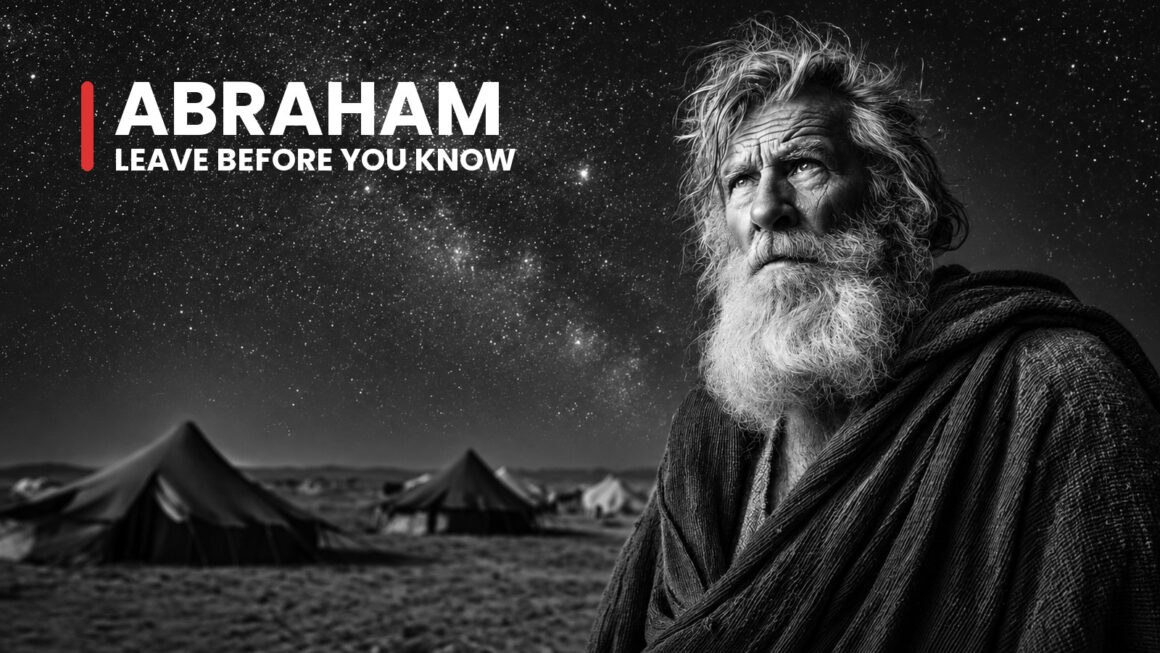
Abraham didn't have a map. He had a voice and a direction. His faith wasn't certainty—it was obedience before understanding. This is what it means to trust a God who fulfills His promises in surprising ways.
Posts by tag
Abraham didn't have a map. He had a voice and a direction. His faith wasn't certainty—it was obedience before understanding. This is what it means to trust a God who fulfills His promises in surprising ways.
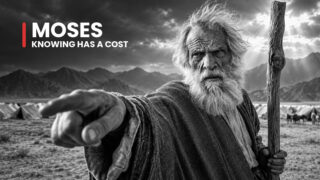
Moses saw God face to face—which is exactly why one moment of doubt cost him everything. What does your access demand of you?
I first encountered the word nemawashi while working for a Japanese company—it's one of those words that doesn't have a direct English equivalent, but it's become a staple in my vocabulary ever since. Nemawashi is all about quietly laying the groundwork for change: talking to everyone involved, getting their input, and building consensus before any big decision is made. Then I realized something amazing—this ancient Japanese concept is perfectly illustrated in one of the most crucial moments in early Christianity, and it changed everything I thought I knew about leading through conflict.
He didn’t wear a crown or stand in the spotlight, yet his quiet support changed everything. In a world that often overlooks the encouragers, discover the hidden power of those who lift others up, believe in their potential, and help them step into their purpose. Who has inspired you to be brave-and who might need your encouragement today?
When relationships become difficult or costly, true Christ-like friendship means leaning in with perseverance and grace, showing the world the sacrificial, steadfast love of Jesus through our actions—especially when it matters most.
Greatness isn’t an accident. It’s the result of purpose, A-players, and the courage to evolve when everyone else gets comfortable. What happens when we ask the harder questions?
Effectively managing ultracrepidarians in professional settings requires setting clear boundaries, valuing true expertise, and fostering a culture of continuous learning and respectful communication.
A longtime CMO explains why creativity feels intimidating, why it shouldn't, and how anyone can build the creative habits that drive growth.
This book introduces a soul-centered approach to leadership using four core themes: solitude, action, community, and reflection. It encourages leaders to embody self-awareness, courage, connection, and curiosity, offering practical exercises to help lead with integrity and lasting impact.
Discover how Objectives and Key Results (OKRs), the goal-setting framework popularized by Silicon Valley leaders like Google and Intel, can help project managers drive clarity, alignment, and accountability. Learn practical steps to implement OKRs for your team and achieve extraordinary project results, inspired by John Doerr’s book Measure What Matters.
Input your search keywords and press Enter.