BIG IDEA
Some messages are too important to stop delivering. Even when no one listens. Especially when no one listens.
BACKGROUND
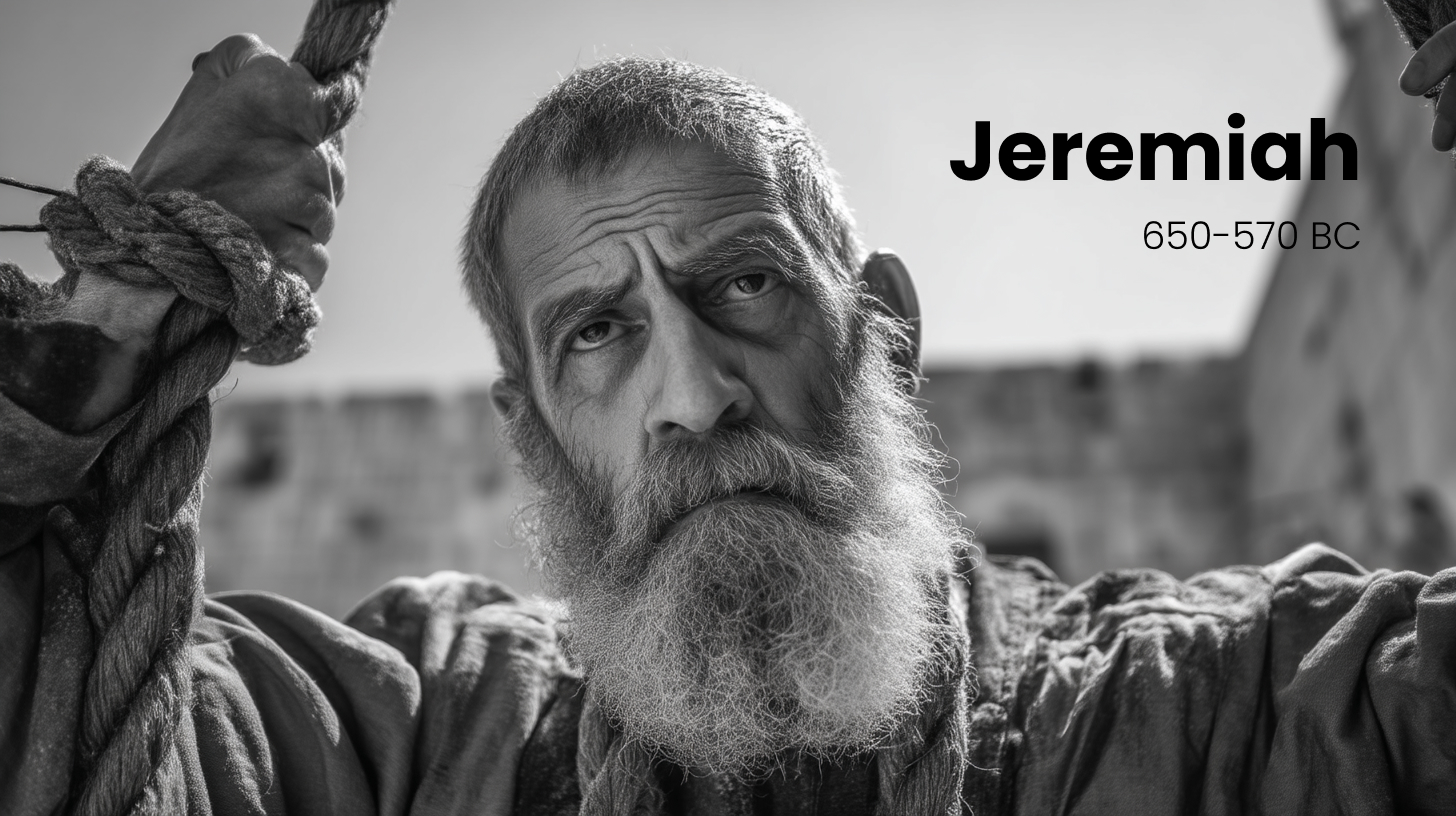
Jeremiah was an ancient prophet who spoke to a nation heading toward disaster. For forty years, he warned them. For forty years, they refused to listen. His story sits in the Old Testament book that bears his name.
STORY
He got thrown into a muddy pit for telling the truth.
Not once. Not twice. Multiple times, the powerful people tried to silence him. They threw him in prison. They dropped him into a cistern to die. They burned his writings.
And he kept speaking anyway.
Here’s what strikes me about Jeremiah. God told him upfront: “They will not listen to you” (Jeremiah 7:27). Imagine that job interview. “You’ll work for forty years. Zero conversions. Ready to sign?”
He signed.
We tend to measure leaders by results. Followers gained. Revenue increased. Metrics achieved. Jeremiah had none of that. By modern standards, he failed completely.
But here we are, thousands of years later, still reading his words.
There’s something we might be missing about leadership.
Jeremiah wept over the people who hated him (Jeremiah 9:1). He complained bitterly to God about his calling (Jeremiah 20:7-9). He was fully human. Frustrated. Exhausted. Sometimes ready to quit.
Yet he never stopped.
Why? Because the fire inside was bigger than the rejection outside.
“His word is in my heart like a fire,” he wrote. “I am weary of holding it in” (Jeremiah 20:9).
And buried in all that rejection, Jeremiah spoke one of history’s most hopeful promises. A new covenant. Not written on stone tablets. Written on human hearts (Jeremiah 31:31-34). A promise that pointed forward to something—someone—greater.
Maybe faithfulness isn’t about winning.
Maybe it’s about staying true to what burns inside us. Even when the room is empty. Even when the critics are loud. Even when the results never come.
The weeping prophet teaches us that some messages matter more than our comfort. Some callings outlast our lifetimes. Some seeds don’t bloom until we’re gone.
That’s not failure.
That’s legacy.