Rehoboam (ree-ho-BO-am) succeeded his father Solomon as king. Early in his rule, northern tribes rejected his authority. He continued to rule the southern kingdom of Judah from Jerusalem. He should not be confused with the similarly named king who led the northern kingdom.
Birth: Approximately 972–971 BC under the 931/930 BC accession chronology; other chronological systems produce different estimates.
Death: Approximately 914–913 BC in that chronology.
Active during: The tenth century BC. These are derived estimates, not dates stated directly in Scripture. BC means “before Christ”; BCE refers to the same years.
Age and reign in the text: Forty-one at accession; seventeen years as king (1 Kings 14:21).
Main passages: 1 Kings 12:1–24; 14:21–31; 2 Chronicles 10–12.
His family and setting
His father was Solomon. His mother came from Ammon, an ancient kingdom east of the Jordan River. His son later succeeded him. The opening conflict took place at Shechem (SHEE-kehm), identified with Tell Balata near modern Nablus (NAH-blus) in the West Bank.
The choice that divided the kingdom
People asked Rehoboam to reduce the harsh labor required under Solomon. He consulted two groups of advisers. The older group urged service and a favorable response; the men who had grown up with him urged a threat. He chose the threat. Northern tribes rejected his rule, and he escaped to Jerusalem (1 Kings 12:1–20).
He then prepared to fight the northern tribes. A prophet delivered God’s instruction to return home, and the army stood down (1 Kings 12:21–24). This did not end every conflict: Kings later describes continuing warfare between the two kingdoms.
Later years
In his fifth year, an Egyptian king attacked Jerusalem and took treasures from the temple and palace. Rehoboam replaced Solomon’s gold shields with bronze ones. He was buried in the City of David, the older part of Jerusalem (1 Kings 14:25–31).
What remains uncertain
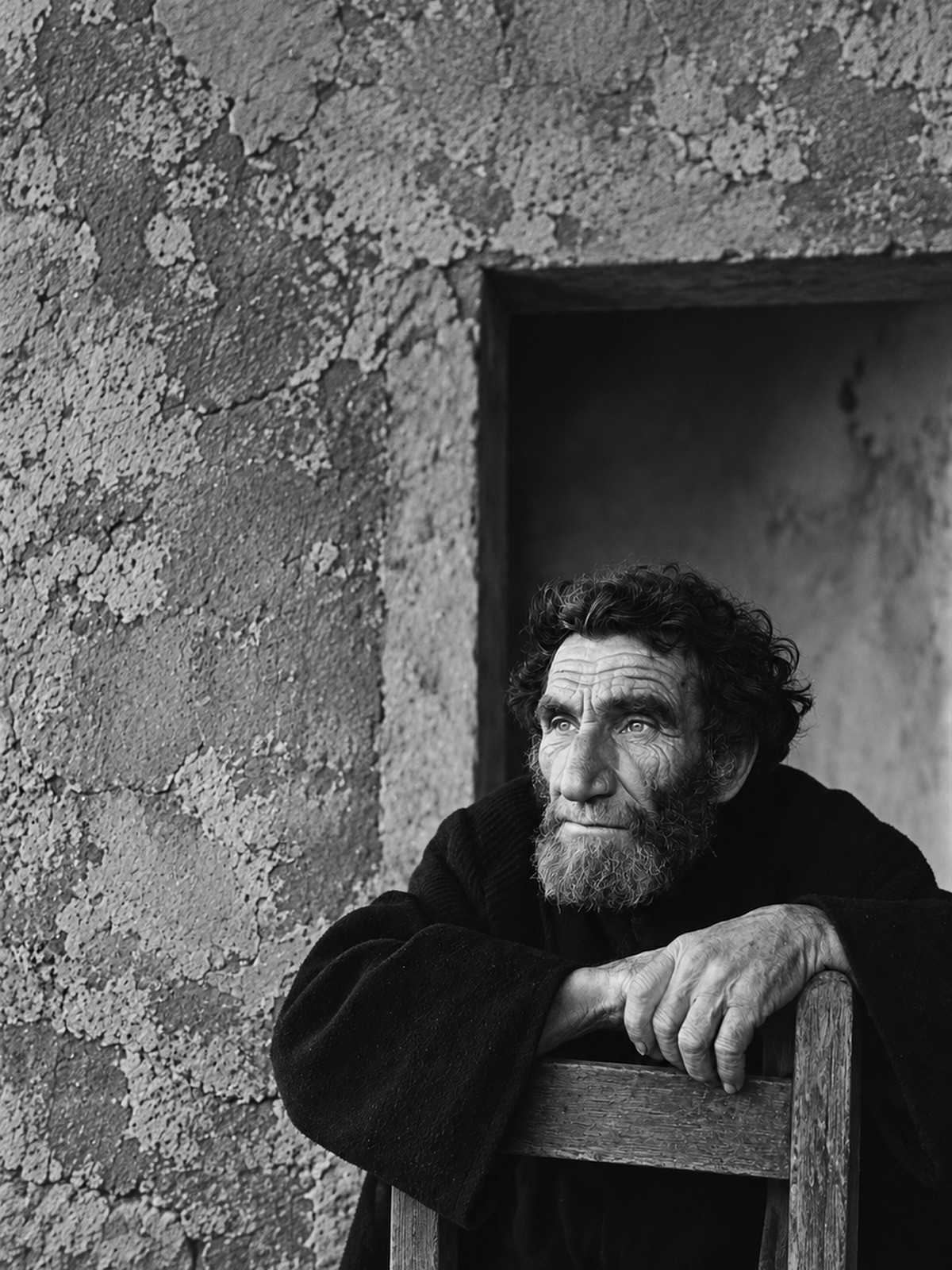
Scholars reconstruct calendar dates from biblical reign lengths and outside historical records, and their chronologies differ. Under the widely used estimate that he began to reign in 931/930 BC, his stated accession age of forty-one implies a birth around 972/971 BC; his seventeen-year reign implies death around 914/913 BC. These calculations are approximate. His exact dates and appearance are unknown. The image is an imagined historical portrait. The advisers’ ages do not establish that one age group always gives better advice.
Explore Shechem and its modern location.
Read further
1 Kings 12, NIV; 1 Kings 14:21–31, NIV; BiblicalTraining: Rehoboam; UNESCO tentative-list submission: Tell Balata.