BIG IDEA
Under pressure, we build what people want. Not what they need.
That’s the easier path. And it’s almost always the wrong one.
BACKGROUND
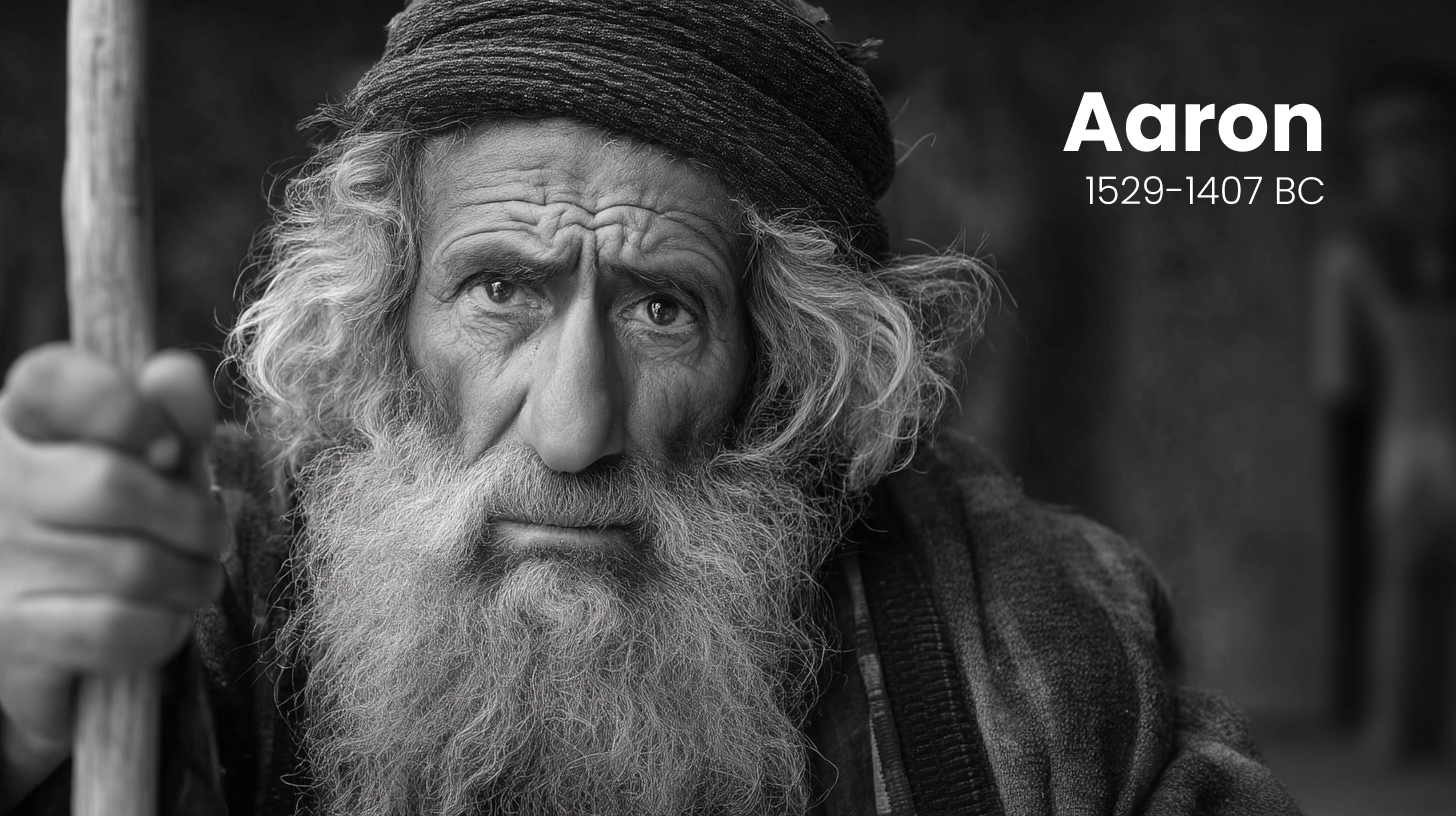
Aaron was Moses’s older brother. He spoke for Moses when Moses couldn’t find the words. He became Israel’s first high priest. But we remember him for something else entirely.
STORY
Here’s the moment that changed everything.
Moses climbs a mountain. He’s gone forty days.
The people get nervous. Then anxious. Then demanding.
“Make us gods,” they tell Aaron. “Moses isn’t coming back” (Exodus 32:1).
Aaron doesn’t push back. He doesn’t call them to patience.
He collects their gold earrings. He builds exactly what they asked for—a golden calf (Exodus 32:2-4).
He even builds an altar and declares a festival to the Lord (Exodus 32:5).
Here’s what’s fascinating.
Aaron knew better. He’d seen the plagues in Egypt. He’d watched the Red Sea split. He’d eaten manna from heaven.
He had all the information he needed.
But information doesn’t create courage.
When the crowd got loud, Aaron got compliant. He gave them a god they could control. Not the God they couldn’t.
This is the leadership trap we rarely discuss.
It’s not that we don’t know what’s right. It’s that knowing isn’t the same as doing—especially when everyone around us pushes the other direction.
Aaron’s excuse is telling: “They gave me the gold, I threw it in the fire, and out came this calf” (Exodus 32:24).
As if it just happened. As if he had no choice.
We do this too, don’t we? We blame circumstances. The team. The timeline. The budget.
I know this feeling.
These situations keep coming. Someone creating friction. Missing the mark. Pulling the team sideways.
I see it. I know it.
But the timing is never right. The stakes are too high. The relationships too complicated. So I work around it instead of through it.
I tell myself I’m being patient.
Part 4 of 5 · ProfileMeet Aaron: the full profile →Character profileI’m not. I’m just collecting gold.
And when it finally collapses, I have a hundred reasons why it just happened that way.
But here’s what Aaron discovered later.
He still became Israel’s high priest. He still wore the sacred garments described in Exodus 28. He still stood between God and people on the Day of Atonement (Leviticus 16).
Failure wasn’t final.
The same hands that shaped the golden calf later offered sacrifices. Those sacrifices pointed forward—to someone greater who would come as the ultimate High Priest (Hebrews 5:1-4).
What changed?
Aaron was given another chance.
Leadership isn’t about having all the answers. It’s about having the courage to wait for the right ones.
Even when everyone else is collecting gold.
Get it by email, free
One Bible character and one leadership lesson, every week.