BIG IDEA
The best leaders know they’re not the final answer. They build something bigger than themselves—and then point beyond it.
BACKGROUND
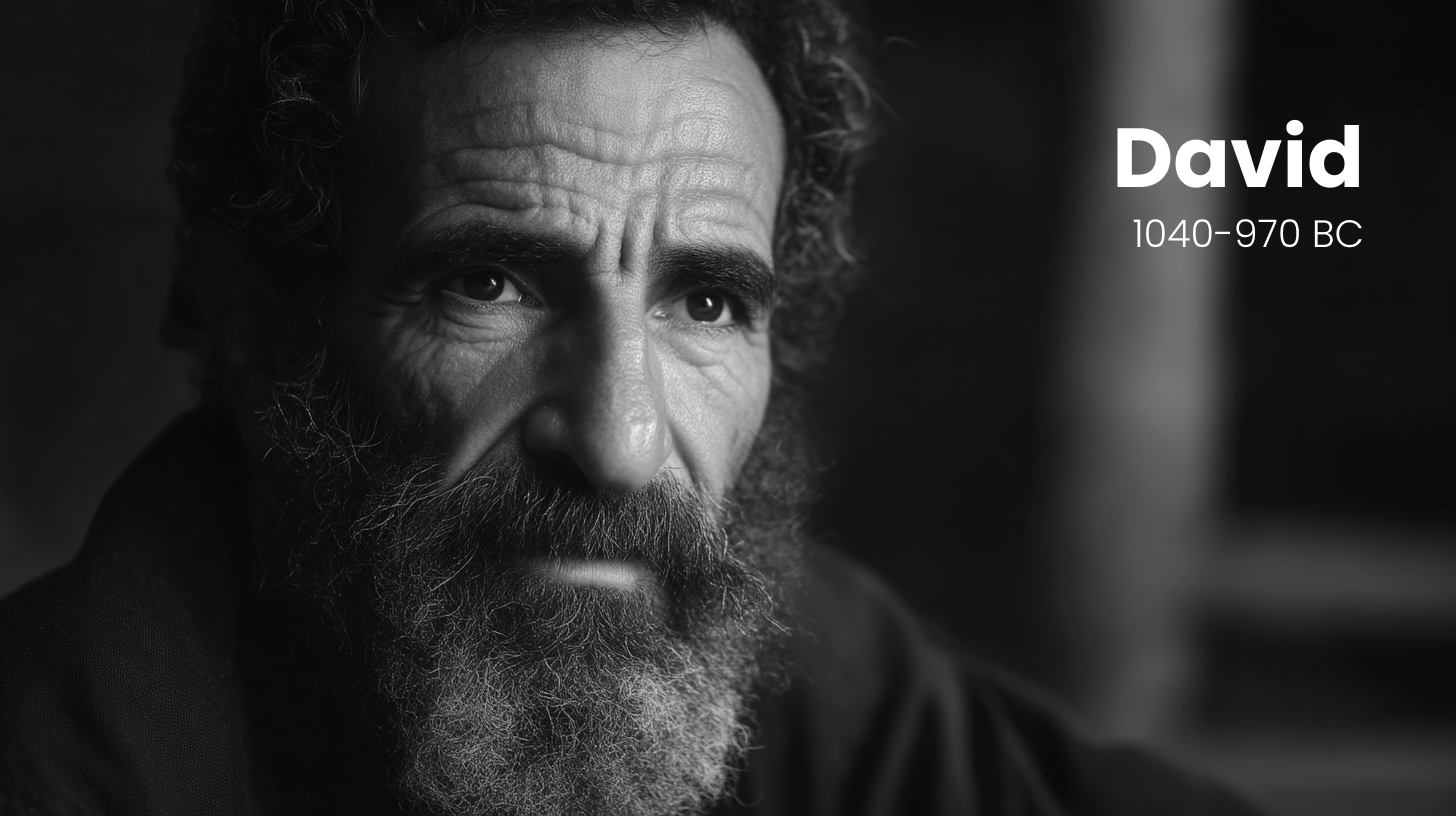
David is history’s most celebrated king. A shepherd who killed giants. A poet who wrote Israel’s worship songs. A warrior who united a nation. He’s the standard by which all other leaders get measured.
STORY
Here’s the strangest detail about David’s story: God told him no.
Not to a small request. To his biggest dream.
David wanted to build God’s temple. The ultimate legacy project. The thing that would cement his name forever (2 Samuel 7:1-5).
God said no.
Think about that. This man killed Goliath as a teenager (1 Samuel 17). Wrote Psalm 23. United warring tribes. Danced in the streets when the Ark returned.
And his biggest dream? Someone else would finish it.
We hate this story.
We want leaders who complete things. Who cross finish lines. Who hold the trophy. Who have the highest level of integrity.
But David shows us something uncomfortable.
Even the greatest human leader isn’t enough.
He failed spectacularly. Bathsheba. Uriah. A family torn apart by violence. For all his victories, David couldn’t fix himself.
In Psalm 22, he wrote words of abandonment: “My God, my God, why have you forsaken me?” (Psalm 22:1). Words that would echo a thousand years later from another man’s lips.
David wasn’t the end of the story. He was pointing to someone.
To a greater King who would build an eternal temple—not of stone, but of people. To Jesus, “Son of David” (Matthew 1:1), who finished what David couldn’t.
Part 4 of 5 · ProfileMeet David: the full profile →Character profileThe best leaders understand this.
They gather resources for temples they won’t build. They prepare successors for victories they won’t see. They point to something beyond themselves.
David’s legacy wasn’t the temple. It was the promise. Not what he built, but who he pointed to.
The question for us isn’t whether we’re enough.
It’s whether we’re pointing somewhere.
Get it by email, free
One Bible character and one leadership lesson, every week.