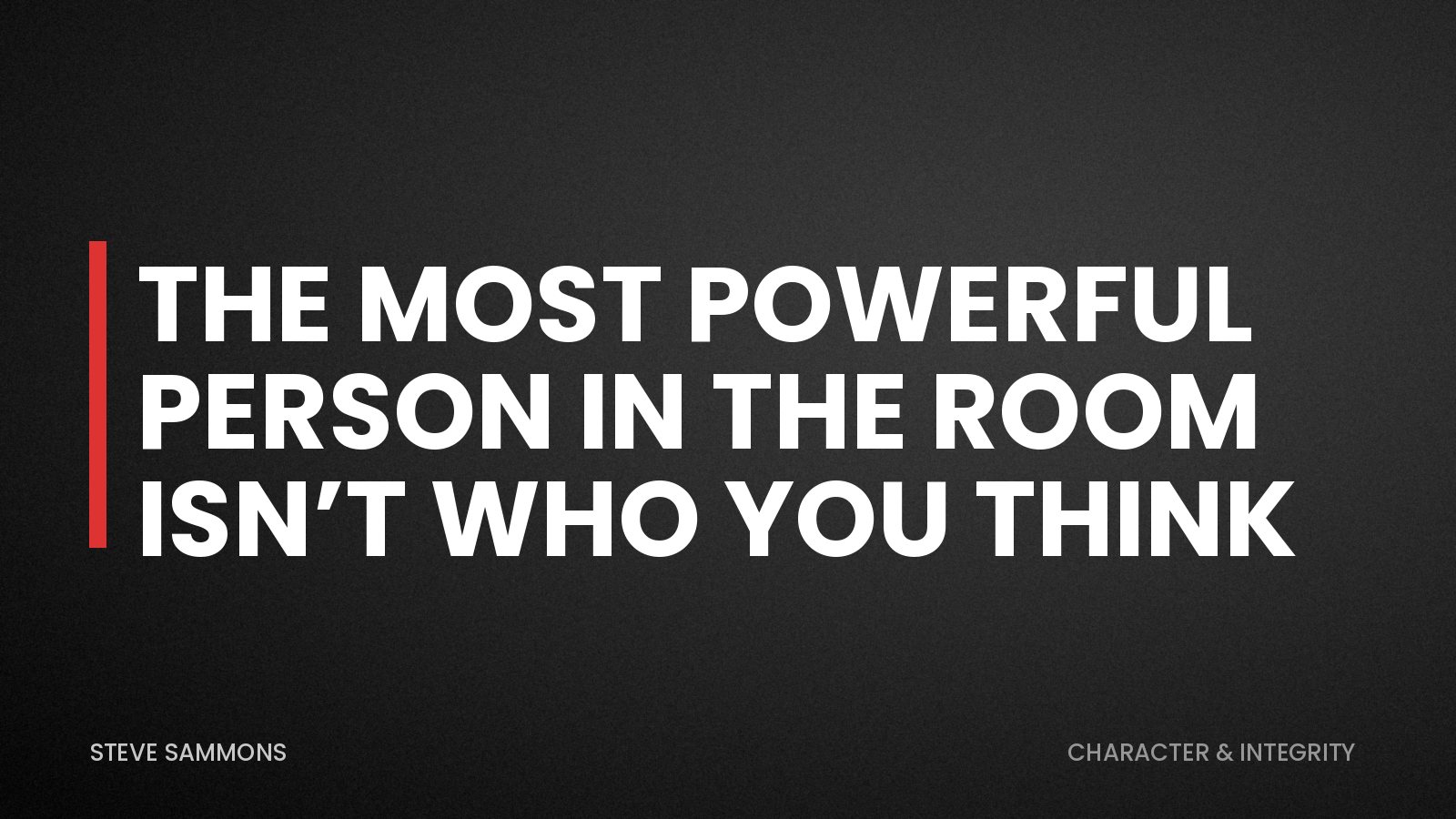
Picture this: You’re in a high-stakes boardroom. The CEO sits at the head of the table, but as the meeting unfolds, it’s clear—decisions are shaped by the person who frames the conversation and earns quiet agreement before the CEO even speaks. The most powerful person in the room isn’t always the one with the title. More often, it’s the one with influence.
This is the paradox at the heart of leadership: influence vs power isn’t a fair fight. Influence quietly wins, time and again.
The Paradox: Why Influence Seems Weaker, But Proves Stronger
On the surface, power looks like the ultimate trump card—the authority to make the call, sign the check, or issue the order. Influence, by contrast, is a subtle phenomenon. It’s the art of shaping decisions, not just making them.
But here’s the twist: Power can demand action, but only influence can win hearts, change minds, and create a lasting impact.
My Story: When Influence Quietly Changed the Outcome
Years ago, I was part of a leadership team tasked with turning around a struggling division. The division head had the power—he could set budgets and dictate strategy. However, morale was low, and the changes weren’t sticking.
I didn’t have the title. What I did have was trust. I listened, surfaced concerns, and connected people with the solutions they needed. I asked questions that shifted the conversation from “What’s broken?” to “What’s possible?” Over time, the division head began to echo those ideas. The turnaround plan that succeeded wasn’t the one he ordered; it was the one the team believed in—because they’d been influenced, not just managed.
That experience taught me: Real change happens when people are influenced, not just managed. (For more on purposeful leadership, see my post on [servant leadership principles].)
The Science: Why Influence Outlasts Power
Why does influence work so powerfully? It taps into our need for meaning, belonging, and autonomy. Psychologists call this “internalization.” When people are influenced, they adopt ideas as their own. When they’re merely ordered, they comply only as long as someone’s watching.
- Influence creates buy-in: People support what they help create.
- Influence builds trust: We follow those we believe have our best interests at heart.
- Influence inspires action: It appeals to values, not just rules.
Modern Applications: Influence in Action
Satya Nadella’s Culture Shift at Microsoft
When Satya Nadella became CEO of Microsoft, he didn’t overhaul the company by decree. Instead, he influenced the culture—emphasizing empathy, growth mindset, and collaboration. He listened, modeled vulnerability, and empowered teams. The result? Microsoft’s resurgence wasn’t powered by authority, but by a leader who used influence to unlock innovation.
The Team Member Who Shapes the Culture
In every organization, someone without a fancy title sets the tone. Maybe it’s the project manager who celebrates small wins and encourages collaboration. When a new initiative launches, people look to them: “If they’re on board, it must be worth doing.” Their influence is the glue that holds the team together.
Faith in Influence: Biblical Lessons
As a Christian, I see this principle all over Scripture. Jesus rarely used overt power. Instead, He influenced through stories, questions, and acts of service. He washed feet, told parables, and invited people to follow—not because they had to, but because they wanted to.
David, before he was king, inspired loyalty from men who had nothing to gain by following him. His influence was rooted in courage, faith, and humility—not the trappings of power.
(For more on integrating faith and leadership, see my post on [faith-driven leadership].)
How to Build Influence Without Authority
Ready to become the most influential person in your world? Here are a few practical steps:
- Listen deeply: Influence starts with understanding others’ needs and perspectives.
- Ask powerful questions: Shift conversations from problems to possibilities.
- Model the behavior you want to see: Integrity is magnetic.
- Connect people and ideas: Be the bridge that helps others succeed.
- Serve first: True influence is earned by putting others’ interests ahead of your own.
Takeaway: Influence Is the Real Superpower
Power can move mountains, but influence can move hearts. If you want to create lasting change—in your company, your family, your community—don’t just seek authority. Cultivate influence. It’s the quiet force that shapes destinies, outlasts titles, and leaves a legacy that power alone never could.
This week, identify one person you can influence through service, encouragement, or example. Watch how your quiet influence creates ripples far beyond what power alone could achieve.
Get it by email, free
One Bible character and one leadership lesson, every week.